
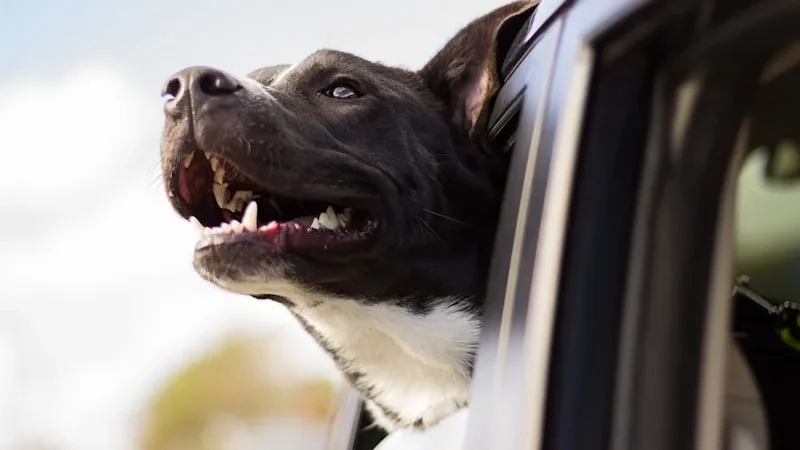
Small dogs have specific needs in the car that large-dog gear doesn’t address. A booster seat elevates a small dog so they can see out the window — which reduces anxiety and motion sickness in most small breeds — while keeping them safely contained. Here is how to choose the right one.
Why Small Dogs Need Different Car Gear
A seat belt harness works well for medium and large dogs. For dogs under 20 pounds, harnesses alone have a limitation: the dog is still low in the seat, unable to see outside, which is a significant source of anxiety and motion sickness in small breeds.
Small dogs also have less body mass to help them maintain balance in a moving vehicle. Without elevation and containment, they slide, shift, and exhaust themselves just trying to stay upright — which compounds anxiety on longer drives.
A booster seat solves both problems: it elevates the dog to window height and provides walls and a tether that keep them securely contained without restricting their view.
Types of Dog Car Seats for Small Dogs
1. Standard Dog Booster Seat
A raised, padded bucket seat that sits on your car seat and attaches via the headrest or seat belt. The dog sits inside and is tethered via a short strap to a back-clip harness. Most models have high sides to prevent the dog from falling out during turns.
Best for: calm to moderately active small dogs, sedans and SUVs, everyday use.
2. Console Dog Seat
A smaller seat designed to sit between the front seats on the center console. Dogs in console seats are closer to the driver — which helps with separation anxiety — but note that a dog in the front of the vehicle faces greater injury risk in a front collision.
Best for: very small dogs (under 10 lbs), short trips, dogs with severe separation anxiety.
3. Booster Seat with Canopy/Tent
A booster seat with a mesh canopy that zips over the dog. Provides containment plus shade, and many dogs feel more secure in the covered enclosure. Heavier and bulkier than standard booster seats.
Best for: anxious dogs who settle better in an enclosed space, sunny climates.
What to Look for When Buying
Weight Rating
Every booster seat has a maximum weight rating. Do not exceed it — the seat’s structural integrity and its anchoring system are designed for that load. Common ratings:
- Under 10 lbs: most console seats, some compact boosters
- 10–18 lbs: most standard booster seats
- 18–25 lbs: heavy-duty small-dog boosters
Weigh your dog before ordering. Breeds like Pugs, French Bulldogs, and Corgis run heavier than they appear.
Attachment Method
Booster seats attach to your car in two main ways:
- Headrest straps: loops around the front and back headrests of the seat. Stable, easy to install, works in most vehicles.
- Seat belt loop: a strap threads through the vehicle seat belt. More secure than headrest attachment alone, but slightly more complex to set up.
The most stable setup uses both: headrest straps plus a seat belt loop. Look for seats that include both attachment methods.
Internal Tether
The booster seat should include a short internal tether — usually 6 to 10 inches — that clips to your dog’s harness. This is what keeps the dog inside the seat during sudden stops. Attach it to a back-clip harness, never a collar.
Without the internal tether, the booster seat is little more than an elevated bed. The tether is what makes it a restraint.
Interior Padding
Dogs spend significant time in the car. Interior padding matters for comfort, especially on longer drives. Look for:
- Removable, washable liner (dogs drool, shed, and sometimes get carsick)
- Firm base — soft bases let small dogs sink and shift
- Adequate depth so the dog can curl up without their back legs hanging over the edge
Stability on the Car Seat
A booster seat that slides around on your car’s upholstery defeats the purpose. Look for a non-slip base on the bottom of the booster, or purchase a non-slip mat separately.
Sizing Guide for Small Dog Car Seats
| Dog Weight | Recommended Type | Notes |
|---|---|---|
| Under 7 lbs | Console seat or compact booster | Verify head height — tiny dogs need sufficient wall depth |
| 7–14 lbs | Standard booster seat | Most popular size range for small dog seats |
| 14–20 lbs | Standard or large booster | Verify weight rating explicitly |
| 20–25 lbs | Large booster or harness | Some dogs in this range do better with a harness than a seat |
Common Mistakes
- Skipping the tether. A booster seat without the internal tether attached is not a restraint. Always clip the tether to the harness before driving.
- Attaching the tether to a collar. Small dogs are especially vulnerable to neck injuries from collar tethering. Use a harness every time.
- Choosing a seat that’s too large. A dog that can stand upright and climb over the edges of a booster seat gets no benefit from it. The walls should be high enough to contain the dog comfortably.
- Placing the booster on the front passenger seat. Airbag deployment can injure or kill small dogs in the front seat. Keep the booster in the back seat whenever possible.
The Bottom Line
For small dogs, a booster seat does more than a harness alone: it elevates them, reduces anxiety, addresses motion sickness, and keeps them safely contained. The right seat has a weight rating that matches your dog, attaches via headrest straps plus a seat belt loop, and includes an internal tether for a back-clip harness.
Browse our selection of dog car seats and safety gear for small dogs — with weight ratings and dimensions listed on every product page and fast 3–8 day US shipping.
Shop Dog Car Gear
For small dogs in cars, the key is a secure setup: Hard Bottom Dog Seat Cover to keep them from sliding, and a Dog Car Seat Belt 2-Pack to keep them safely in place. Browse dog car gear →
🐾 Shop the booster seat from this guide
Dog Booster Car Seat for Small Dogs — Sofa-style booster with built-in tether. Lets small dogs ride safely at window height.
Shop Now — $49.99Add a backup safety layer with a Dog Car Seat Belt (2-Pack) — designed specifically for dogs in transit.