
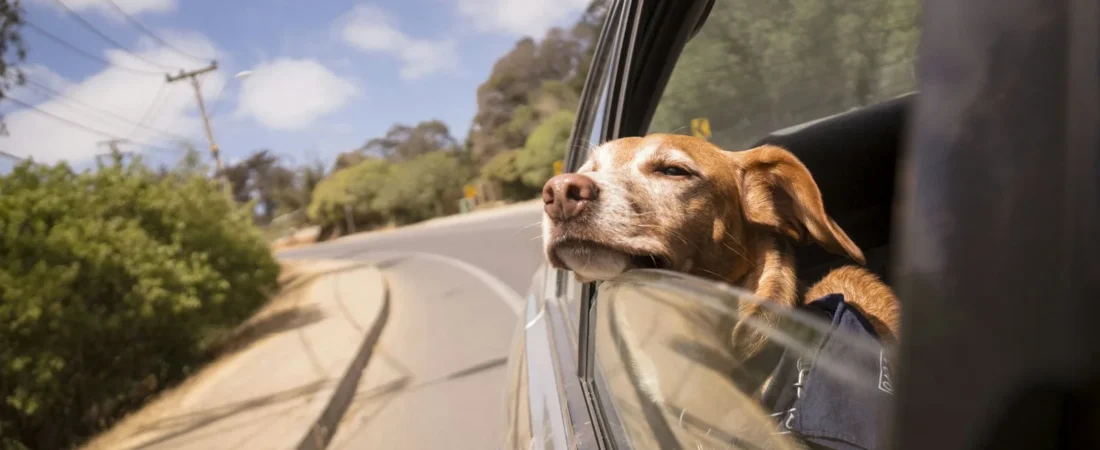
If your dog hesitates before jumping into the car, struggles to climb in, or lands hard coming out — it’s not just an inconvenience. Every jump puts real stress on their joints, and for large breeds and senior dogs, that adds up to pain, arthritis, and expensive vet bills down the road.
A dog car ramp solves this. But not all ramps are equal: too short and the incline is too steep to be safe, too flimsy and your dog won’t trust it, too bulky and it never leaves the garage. This guide shows you exactly what to look for, which ramp suits your dog and vehicle, and how to get your dog using it confidently.
Does Your Dog Actually Need a Car Ramp?
Not every dog needs one — but many more do than owners realize. Consider a ramp if your dog is:
- A large or giant breed (Labrador, Golden Retriever, German Shepherd, Great Dane, etc.) — their size means every jump is a heavy impact.
- Senior (7+ years) — joints stiffen with age, and jumping becomes painful even if your dog still tries.
- Recovering from surgery — especially after TPLO, hip, or spinal procedures, where jumping can undo the recovery.
- Suffering from arthritis or hip dysplasia — a ramp removes the single most damaging movement of their day.
- Small with a tall vehicle — a Dachshund and an SUV are a bad combination for the dog’s back.
Here’s the key insight most owners miss: a ramp is preventive healthcare, not just convenience. A young, healthy large-breed dog that jumps in and out of an SUV thousands of times over its life is accumulating joint damage. Starting a ramp early protects them for years.
The Critical Spec: Ramp Length and Incline
This is the number that matters most, and the one cheap ramps get wrong.
The longer the ramp, the gentler the incline — and the gentler the incline, the safer and easier it is for your dog. A short ramp against a tall SUV creates a steep, intimidating climb that defeats the purpose. Most dogs refuse steep ramps entirely.
For SUVs and trucks, look for a ramp around 70 inches long. This creates a gentle ~30-degree incline even for higher vehicles — comfortable for senior and arthritic dogs. Shorter ramps (under 60 inches) are only suitable for low cars or small dogs.
What Else to Look For in a Dog Car Ramp
Weight Capacity
Check the rated capacity against your dog’s weight — with a safe margin. A ramp rated to 200 lbs comfortably handles even giant breeds and won’t flex underfoot, which is critical because flex makes dogs nervous and unstable.
Non-Slip Surface
A smooth ramp is useless — dogs won’t trust slippery footing. Look for a high-traction textured surface that gives confident grip, even when wet or muddy. This single feature determines whether your dog will actually use the ramp.
Folding & Storage
A ramp you can’t store is a ramp you won’t keep in the car. The best ramps fold in half to around 35 inches, sliding flat into any trunk. If it lives in your vehicle, you’ll actually use it every time.
Stability & Rubber Feet
The ramp must lock in place under load. Rubber feet grip the ground and prevent the ramp from sliding while your dog walks up — essential for their confidence and safety. A wobbling ramp will scare a dog off permanently.
Weight of the Ramp Itself
You’ll be setting it up and folding it away constantly. An aluminum-frame ramp stays lightweight (~20 lbs) while still holding heavy dogs — the best balance of strength and portability.
Ramp vs. Stairs vs. Lifting: Which Is Best?
- Lifting your dog: fine for small dogs, but for anything over 30 lbs it’s bad for your back and stressful for an anxious or injured dog.
- Pet stairs: work for couches and beds, but for a car they’re usually too short for the height and unstable on uneven ground.
- Ramp: the best option for cars and SUVs — a continuous, gentle slope your dog walks up naturally, no jumping, no lifting.
How to Train Your Dog to Use a Car Ramp
Most dogs learn in just 3–5 short sessions. Here’s the proven method:
- Start flat. Lay the ramp on the ground (no incline) and let your dog sniff and walk across it for treats. Build comfort first.
- Add a slight angle. Prop one end on a low step. Reward every step up and down.
- Go to the car. Set it up at the vehicle. Use high-value treats and a calm, encouraging voice. Let them go at their pace.
- Never force it. Don’t drag or push your dog up — that creates fear. Patience and treats win every time.
- Be consistent. Use the ramp every single trip. Routine builds confidence fast.
Our Recommendation: The 71″ Foldable Dog Car Ramp
For SUV and truck owners with large or senior dogs — which describes most ramp buyers — we built our 71″ Dog Car Ramp around the specs that actually matter. At 71 inches it delivers one of the gentlest inclines available, even for tall vehicles. The aluminum frame holds up to 200 lbs without flex, the high-traction surface gives dogs confident footing, and it folds in half to 35.5″ to store flat in any trunk. Rubber feet lock it in place so your dog feels secure every time.
Pair it with our Hard Bottom Seat Cover once your dog is inside, and a Dog Seat Belt for full safety on the road.
Frequently Asked Questions
What length ramp do I need for an SUV?
For most SUVs and trucks, a 70-inch ramp creates a safe, gentle incline. Shorter ramps are only suitable for low cars or small dogs.
Will my dog be afraid of the ramp?
Most dogs adapt within 3–5 short training sessions when you use treats and never force them. A non-slip surface and a stable, non-wobbling ramp make a huge difference in building confidence.
How much weight can a dog car ramp hold?
Quality ramps hold 150–200 lbs. Choose one rated comfortably above your dog’s weight so it never flexes underfoot.
Are folding ramps sturdy enough for big dogs?
Yes — a well-built folding aluminum ramp holds giant breeds securely while still being light enough to set up and store easily.
Is a ramp better than lifting my dog?
For any dog over 30 lbs, yes. Lifting strains your back and can hurt a dog with joint issues or recovering from surgery. A ramp lets them move on their own, safely.
The Bottom Line
A dog car ramp is one of the smartest investments you can make for a large or aging dog — it prevents joint damage, ends the daily struggle, and protects both your dog’s body and your own back. Prioritize length (around 70 inches), a non-slip surface, solid weight capacity, and easy folding. Get those right, train your dog patiently, and you’ll have years of easy, pain-free car trips together.
Ready to protect your dog’s joints? See our 71″ Foldable Dog Car Ramp →
🐾 Shop the ramps and stairs from this guide
Dog Car Ramp 71″ — Extra-long foldable ramp for large breeds and senior dogs. Holds 200 lbs. $159.99
Dog Car Stairs — 5-Step Aluminum — Adjustable folding stairs for SUVs & trucks. Gentler on arthritic joints than a ramp. $129.99
View All Products →